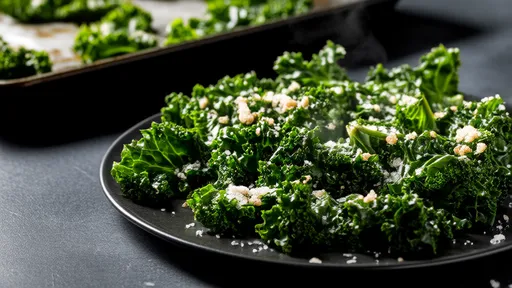
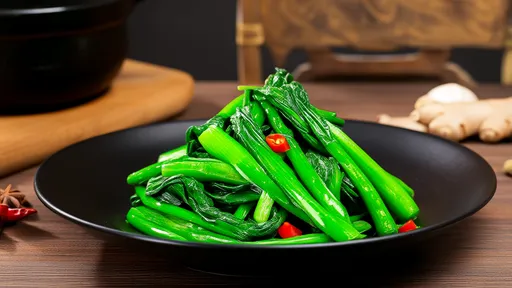
There’s something deeply satisfying about a plate of perfectly cooked greens—vibrant, crisp, and bursting with color. Yet, for many home cooks, achieving that restaurant-quality brightness can feel like an elusive goal. All too often, what should be a vivid emerald or deep jade ends up as a dull, lifeless shade of olive. The good news? The secrets to keeping your greens brilliantly hued aren’t as mysterious as they seem. Professional chefs have long guarded these techniques, but with a little insight, you can replicate their results in your own kitchen.
One of the most overlooked factors in preserving the color of greens is the timing of seasoning. Salt, while essential for flavor, can be a double-edged sword. Adding it too early draws moisture out of the leaves, accelerating wilting and oxidation. This is why many seasoned cooks wait until the final moments of cooking—or even after transferring greens to the plate—to sprinkle them with salt. The difference is striking: greens retain their structural integrity and resist turning that unappetizing grayish-green. This small adjustment in technique mirrors how high-end kitchens treat delicate vegetables, prioritizing visual appeal without sacrificing taste.
Temperature control plays another critical role in the color preservation puzzle. Blanching greens briefly in vigorously boiling water before stir-frying might seem like an extra step, but it serves a chemical purpose. The quick bath deactivates enzymes responsible for chlorophyll degradation, essentially "locking in" the color. Chefs then shock the greens in ice water to halt the cooking process abruptly, preserving that just-picked brightness. When it comes time for the final sauté, they use blisteringly high heat for a short duration. This approach ensures the greens cook through without stewing in their own juices, which leads to discoloration. The contrast between home kitchens and professional ranges often comes down to heat intensity—something that can be approximated by preheating pans thoroughly and working in smaller batches.
The choice of cooking fat might surprise some as a color-preserving factor, but certain oils actually help maintain vibrancy better than others. Peanut oil, with its high smoke point and neutral flavor, creates an ideal environment for quick cooking at high temperatures. Its molecular stability under heat means less breakdown and fewer compounds that could interact negatively with chlorophyll. Some traditional cooks swear by adding a small amount of alkaline ingredients like baking soda to the cooking water, which helps maintain the green hue by affecting pH levels. However, this technique requires precision—too much can turn greens mushy and impart a metallic taste. The professional approach balances science and sensibility, using just enough science to enhance nature’s palette without overpowering it.
Beyond these technical considerations lies an often-ignored truth: the freshness of the greens themselves determines their staying power. Vegetables that have been sitting too long begin cellular breakdown before they ever hit the pan. Chefs inspect greens for crisp stems and taut leaves, knowing these will withstand cooking stresses better than limp, aging specimens. They also understand that different greens require slightly different approaches—sturdy kale benefits from slightly longer cooking than tender spinach, for instance. This attentiveness to the individual characteristics of each variety separates haphazard cooking from deliberate craftsmanship.
Presentation techniques also contribute to the perception of freshness. Restaurant plates often feature greens arranged with space between them rather than piled densely, preventing residual heat from causing continued cooking. A light drizzle of flavored oil or citrus juice just before serving doesn’t just add flavor—the slight acidity helps stabilize color compounds. These finishing touches might seem purely aesthetic, but they stem from an understanding of how food continues to change even after leaving the heat source. The best chefs cook with the entire timeline in mind, from prep to plate to first bite.
While professional kitchens have equipment advantages, the core principles translate to home cooking. The key lies in respecting the natural properties of greens while applying controlled, intentional techniques. It’s not about complex recipes or rare ingredients—rather, mastering fundamentals like heat management, timing, and ingredient handling. With practice, keeping greens brilliantly colored becomes second nature, turning what was once frustration into one of the simplest yet most impressive skills in your culinary repertoire. The true secret, as any excellent chef knows, isn’t in a single trick but in the harmonious application of multiple small perfections.
By /Aug 1, 2025
By /Aug 1, 2025
By /Aug 1, 2025

By /Aug 1, 2025
By /Aug 1, 2025
By /Aug 1, 2025
By /Aug 1, 2025
By /Aug 1, 2025
By /Aug 1, 2025
By /Aug 1, 2025
By /Aug 1, 2025

By /Aug 1, 2025
By /Aug 1, 2025
By /Aug 1, 2025

By /Aug 1, 2025
By /Aug 1, 2025
By /Aug 1, 2025
By /Aug 1, 2025
By /Aug 1, 2025
By /Aug 1, 2025
