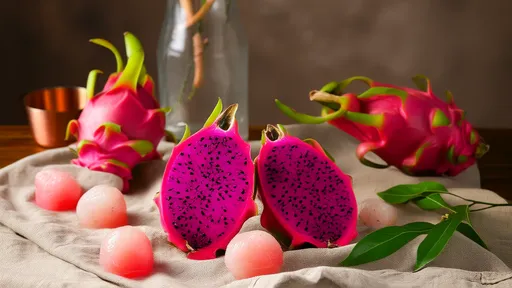
The culinary world is constantly evolving, with chefs and home cooks alike seeking innovative ways to elevate their dishes. One of the most exciting trends in recent years has been the use of natural ingredients to create vibrant, eye-catching colors in food. Among these, the dragon fruit, or pitaya, has emerged as a superstar, lending its stunning pink hue to everything from dumpling wrappers to dreamy smoothie bowls. This tropical fruit isn’t just a feast for the eyes—it’s also packed with nutrients, making it a favorite among health-conscious food enthusiasts.
Dragon fruit’s vivid pink pigment comes from betalains, a type of natural antioxidant also found in beets. Unlike artificial food dyes, which often come with health concerns, betalains are celebrated for their anti-inflammatory properties. When used in cooking, dragon fruit imparts a soft, pastel pink that’s both delicate and striking. This has made it a popular choice for reinventing classic dishes, such as dumplings, where the traditional white wrapper is transformed into a visually stunning pink canvas. The result is a dish that feels both familiar and entirely new.
The process of creating pink dumpling wrappers with dragon fruit is surprisingly simple. The flesh of the fruit is pureed and mixed into the dough, replacing some or all of the water typically used. The natural sweetness of the dragon fruit is subtle, allowing the savory filling to remain the star of the dish. Beyond dumplings, the same technique can be applied to other dough-based foods, like noodles or even bread, offering endless possibilities for creative cooks. Social media has played a significant role in popularizing this trend, with food bloggers and influencers showcasing their pink-hued creations to millions of admirers.
Smoothies and smoothie bowls, already a canvas for vibrant ingredients, have also embraced the dragon fruit craze. Blending the fruit’s flesh into a creamy base creates a mesmerizing pink or magenta hue, depending on the variety used. Topped with fresh berries, granola, and edible flowers, these bowls are as Instagram-worthy as they are nutritious. The dragon fruit’s mild flavor pairs well with other tropical fruits like mango and pineapple, making it a versatile addition to any blender. For an extra touch of luxury, some cafes even drizzle coconut milk or sprinkle chia seeds on top, enhancing both the texture and visual appeal.
Beyond its aesthetic appeal, dragon fruit brings a host of health benefits to the table. It’s rich in vitamin C, fiber, and antioxidants, making it a smart choice for those looking to boost their immune system or improve digestion. The fruit’s low calorie count and high water content also make it a favorite among those watching their weight. As consumers become more mindful of what they eat, ingredients like dragon fruit offer a way to enjoy beautiful, flavorful food without compromising on health.
The rise of dragon fruit as a natural dye reflects a broader shift toward cleaner, more sustainable eating. With growing awareness of the potential harms of synthetic food coloring, many people are turning to nature for solutions. Dragon fruit, with its bold color and nutritional profile, is perfectly positioned to meet this demand. Whether it’s used in a batch of homemade dumplings or a refreshing smoothie, this tropical fruit proves that eating with your eyes first doesn’t have to mean sacrificing health or authenticity.
As the trend continues to grow, it’s likely that we’ll see even more creative uses for dragon fruit in the kitchen. From pastries to cocktails, the possibilities are limited only by the imagination. For now, though, the pink dumpling wrapper and the dreamy smoothie bowl remain iconic examples of how a single ingredient can transform the ordinary into the extraordinary. So the next time you’re looking to add a pop of color to your cooking, consider reaching for a dragon fruit—it might just be the secret ingredient your dish has been missing.
By /Aug 1, 2025
By /Aug 1, 2025

By /Aug 1, 2025

By /Aug 1, 2025
By /Aug 1, 2025
By /Aug 1, 2025

By /Aug 1, 2025
By /Aug 1, 2025

By /Aug 1, 2025
By /Aug 1, 2025
By /Aug 1, 2025

By /Aug 1, 2025

By /Aug 1, 2025
By /Aug 1, 2025

By /Aug 1, 2025
By /Aug 1, 2025
By /Aug 1, 2025
By /Aug 1, 2025
By /Aug 1, 2025
By /Aug 1, 2025
