How to Deal with Astringent Persimmons? 4 Methods to Ripen + Jam Recipe

Aug 1, 2025 By

Persimmons are a delightful autumn fruit, prized for their vibrant color and sweet, honey-like flavor when fully ripe. However, many varieties—particularly astringent types like Hachiya—contain high levels of tannins that create an unpleasant, mouth-puckering sensation if eaten too early. The good news? There are several reliable methods to speed up the ripening process and transform those bitter persimmons into juicy, spoonable treats.


Understanding Persimmon Astringency

The key to dealing with tart persimmons lies in understanding why they cause that dry, cottony feeling in your mouth. Unripe persimmons contain soluble tannins that bind with proteins in saliva, creating that characteristic roughness. As the fruit ripens, these tannins polymerize into insoluble forms that no longer interact with our taste receptors. Commercial growers sometimes use carbon dioxide gas to remove astringency, but home methods rely on natural processes that break down tannins over time.


Ethylene Gas: Nature's Ripening Agent

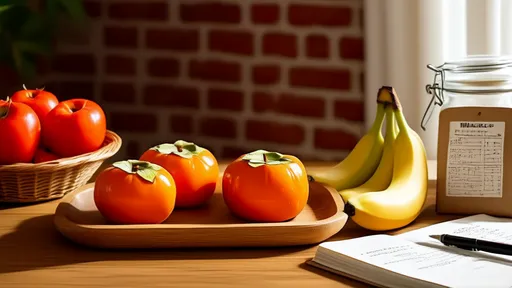
Like bananas and apples, persimmons respond to ethylene gas, a natural plant hormone that triggers the ripening process. Enclosing firm persimmons in a paper bag with an ethylene-producing fruit (such as an apple or banana) accelerates softening. The paper bag traps the gas while allowing just enough airflow to prevent mold. Within three to five days at room temperature, the persimmons should yield slightly to gentle pressure and develop deeper orange hues.


Some enthusiasts swear by adding a slice of apple rather than a whole one, as too much ethylene can sometimes lead to over-ripening. Check the bag daily—once the fruits reach your desired softness, transfer them to the refrigerator to slow further ripening. This method works beautifully for both astringent and non-astringent varieties, though the latter may not require full softening to become palatable.


The Rice Barrel Technique

An age-old Asian method involves burying unripe persimmons in uncooked rice. The grains not only trap ethylene gas but also absorb moisture, creating an ideal environment for tannin breakdown. Choose a clean, dry container with a tight-fitting lid—traditionally, earthenware jars were used—and completely submerge each fruit in rice. Within four to seven days, the persimmons develop a jelly-like consistency and concentrated sweetness.


Modern adaptations suggest using zip-top bags filled with rice for smaller quantities, though the classic barrel approach tends to yield more consistent results. Some Japanese households still employ this technique to prepare kaki no hazushi, dried persimmons that develop a white, sugary coating during the process. The rice itself takes on a faint persimmon aroma and can be reused for subsequent batches or cooked as a subtly flavored side dish.


Freezer Magic

For those needing immediate results, freezing offers a surprisingly effective solution. Place whole, unpeeled persimmons in a freezer bag and freeze solid (about eight hours). Thaw at room temperature for six to eight hours—the cellular breakdown from ice crystals accelerates tannin neutralization. The thawed fruit will be extremely soft, almost liquid in texture, making it perfect for pulp-based applications like smoothies or baking.


Interestingly, this method chemically alters the tannins rather than simply masking their effect. Food scientists have found that freezing causes tannin molecules to bind together into larger complexes that our taste buds can't detect. While the texture becomes too mushy for fresh eating, frozen-thawed persimmon pulp develops an almost caramel-like depth that shines in cooked preparations.


Alcohol-Assisted Ripening

High-proof alcohol vapor can denature tannins remarkably fast. Wrap individual persimmons in cheesecloth or paper towels lightly dampened with vodka, bourbon, or shochu (a Japanese distilled beverage), then seal in an airtight container for 24-48 hours. The alcohol never directly contacts the fruit but creates an environment that prompts tannin polymerization. This approach originated in Korea, where soju-treated persimmons are considered a delicacy.


For a non-alcoholic variation, some sources recommend using vinegar steam, though results tend to be less consistent. The alcohol method works best with nearly ripe persimmons that just need that final push to eliminate residual astringency. Be cautious with this technique—overexposure can impart boozy flavors, and the fruit may become overly soft.


From Problem to Prize: Persimmon Jam

Even after employing these methods, you might find yourself with more ripe persimmons than you can eat fresh. Transforming them into jam not only preserves their flavor but creates a versatile condiment perfect for toast, cheese plates, or dessert sauces. Here's a simple recipe that highlights the fruit's natural character:


Start with 2 pounds very ripe persimmons (peeled if using Hachiya, skin-on for Fuyu). Remove any calyxes and seeds, then purée in a food processor until smooth—you should have about 3 cups. Combine the purée with 1¼ cups sugar, 2 tablespoons lemon juice, and 1 teaspoon vanilla bean paste in a heavy saucepan. Bring to a simmer over medium heat, stirring frequently.


Cook until the mixture thickens enough to coat the back of a spoon (about 30-40 minutes), skimming off any foam. For safety, process in sterilized jars using standard water bath canning methods, or store refrigerated for up to three weeks. The jam's flavor profile varies intriguingly based on the persimmon variety used—Hachiya yields an almost date-like richness, while Fuyu produces brighter, apricot-toned preserves.


Experiment with spices like cardamom or star anise during cooking, or stir in a splash of bourbon after cooling for an adult variation. Leftover jam makes an exceptional glaze for roasted meats—particularly duck or ham—when thinned with a bit of vinegar.


With these techniques, astringent persimmons transform from mouth-drying disappointments into seasonal treasures. Whether you choose the slow romance of rice-barrel aging or the immediacy of freezer treatment, each method offers its own unique textural and flavor rewards. And when abundance strikes, that jewel-toned jam ensures no fruit goes to waste.


Recommend Posts
Food

Bitter Melon: The Bitterer, The More Effective for Reducing Internal Heat? Dual Interpretation from Traditional Chinese Medicine and Nutritional Science"

By /Aug 1, 2025

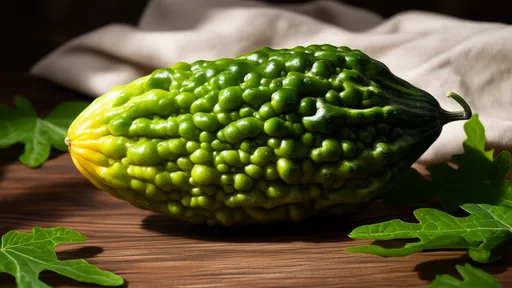
The belief that bitter gourd's potency increases with its bitterness has been passed down through generations in traditional Chinese medicine (TCM). Many claim that the more bitter the melon, the stronger its "heat-clearing" properties. But how does this folk wisdom hold up under the scrutiny of both ancient herbalism and modern nutritional science? The answer reveals a fascinating intersection between cultural knowledge and biochemical reality.
Food

Don't Throw Away Durian Seeds! They Have a Taro-like Texture When Cooked in Soup

By /Aug 1, 2025

Most people see durian seeds as nothing more than waste to be discarded after enjoying the fruit’s creamy, pungent flesh. But what if we told you that these large, smooth seeds hold a surprising culinary secret? When boiled, they transform into a tender, starchy ingredient with a texture remarkably similar to taro—a revelation that could change the way you view this tropical fruit forever.
Food

How to Deal with Astringent Persimmons? 4 Methods to Ripen + Jam Recipe

By /Aug 1, 2025

Persimmons are a delightful autumn fruit, prized for their vibrant color and sweet, honey-like flavor when fully ripe. However, many varieties—particularly astringent types like Hachiya—contain high levels of tannins that create an unpleasant, mouth-puckering sensation if eaten too early. The good news? There are several reliable methods to speed up the ripening process and transform those bitter persimmons into juicy, spoonable treats.
Food

Frozen Banana Blended = Ice Cream? 3 Sugar-Free Dessert Recipes"

By /Aug 1, 2025

In the world of healthy desserts, few discoveries have been as revolutionary as the realization that frozen bananas can transform into a creamy, ice cream-like treat when blended. This magical transformation has opened doors for countless sugar-free dessert creations that satisfy sweet cravings without the guilt. The process couldn't be simpler - peel ripe bananas, freeze them solid, then blend until smooth. The result? A luscious base that mimics the texture of soft-serve ice cream while providing natural sweetness and nutritional benefits.
Food

Dragon Fruit Natural Dye: Pink Dumpling Skin, Dreamy Smoothie

By /Aug 1, 2025

The culinary world is constantly evolving, with chefs and home cooks alike seeking innovative ways to elevate their dishes. One of the most exciting trends in recent years has been the use of natural ingredients to create vibrant, eye-catching colors in food. Among these, the dragon fruit, or pitaya, has emerged as a superstar, lending its stunning pink hue to everything from dumpling wrappers to dreamy smoothie bowls. This tropical fruit isn’t just a feast for the eyes—it’s also packed with nutrients, making it a favorite among health-conscious food enthusiasts.
Food

Roasting Brussels Sprouts Until Charred Makes Them Tasty? The Science of 'Bitter to Sweet' Cooking"

By /Aug 1, 2025

The humble Brussels sprout has long been a polarizing vegetable, often relegated to the status of a boiled holiday side dish that children push around their plates. Yet in recent years, a culinary revolution has transformed these miniature cabbages into coveted menu items at trendy restaurants. The secret? Applying enough heat to create a beautiful caramelized char – what chefs affectionately call "burnt" sprouts. This counterintuitive approach doesn't just mask the vegetable's natural bitterness; it fundamentally alters its flavor profile through fascinating biochemical processes.
Food

Beetroot Latte: Natural Pigment Plus Blood-Boosting Benefits, A Win-Win for Appearance and Taste

By /Aug 1, 2025

In the ever-evolving world of wellness beverages, a vibrant newcomer has captured the attention of health enthusiasts and coffee shop regulars alike: beetroot latte. This strikingly pink drink isn’t just a feast for the eyes—it’s a nutritional powerhouse that combines natural coloring with iron-rich benefits. Unlike synthetic alternatives, beetroot latte offers a guilt-free way to indulge in something both beautiful and beneficial.
Food

Zoodles: Low-Carb Pasta Alternative for Weight Loss"

By /Aug 1, 2025

In the ever-evolving world of healthy eating, one vegetable has emerged as an unlikely hero for carb-conscious food lovers and weight-watchers alike. The humble zucchini, when transformed into noodle-like strands affectionately called "zoodles," has revolutionized how people approach their pasta cravings while maintaining a balanced diet.
Food

Eggplant 'Pseudo Grilled Meat': Oil-Free Air Fryer Version, Delight for Vegetarians

By /Aug 1, 2025

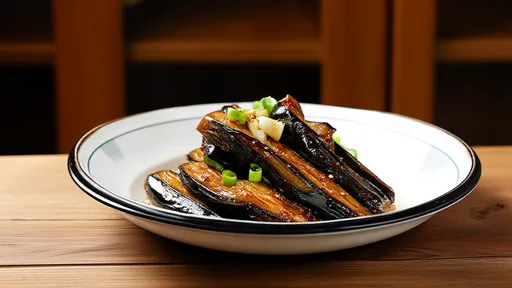
In the ever-evolving world of plant-based cuisine, a new star has emerged that’s capturing the hearts (and taste buds) of vegetarians and flexitarians alike: the “fake roast” eggplant. This ingenious dish, prepared without a drop of oil in an air fryer, delivers the smoky, savory satisfaction of grilled meat while remaining 100% vegan. What makes it truly remarkable isn’t just its health credentials, but how it transforms an humble vegetable into something that carnivores might mistake for barbecue.
Food

Kale Chips: 10-Minute Oven Baked, More Addictive Than Potato Chips

By /Aug 1, 2025

In the ever-evolving world of healthy snacking, a new contender has emerged to challenge the reign of potato chips. Kale chips, when baked to crispy perfection in just 10 minutes, are not only a nutritious alternative but also an irresistibly addictive treat. This leafy green transformation is capturing the attention of health-conscious foodies and snack lovers alike, proving that good-for-you food can also be delicious.
Food

Avocados Ripe Too Slow? 1 Piece of Paper + 1 Apple, Soft in 24 Hours

By /Aug 1, 2025

Avocado lovers know the struggle all too well - you bring home perfectly green, rock-hard avocados from the grocery store, dreaming of creamy guacamole or avocado toast, only to find they stubbornly refuse to ripen when you need them. While these nutrient-dense fruits naturally soften over several days, sometimes you just can't wait that long. Fortunately, there's a remarkably simple kitchen hack that can accelerate the process dramatically.
Food

Don't Throw Away Orange Peels! Make Sugared Orange Peel Tea for a Soothing and Digestive Refreshment

By /Aug 1, 2025

The next time you find yourself peeling an orange, resist the instinct to toss those vibrant rinds into the compost bin. What many consider kitchen waste actually holds the potential to become a fragrant, soothing beverage that delights the senses while offering genuine health benefits. Candied orange peel tea represents one of those rare culinary alchemies where scraps transform into something extraordinary.
Food

Strawberries Rot in 3 Days? Japanese Housewives' 'Preservation Magic'

By /Aug 1, 2025

Strawberries are among the most delicate fruits, often turning moldy or mushy within just three days of purchase. Many home cooks have faced the frustration of watching their fresh berries spoil before they can enjoy them. However, Japanese homemakers have long mastered ingenious preservation techniques that keep strawberries fresh for surprisingly longer periods. These methods, passed down through generations, combine traditional wisdom with modern kitchen science.
Food

Is Soaking Pineapple in Saltwater Just a Placebo Effect? The Scientific Method for Best Bitterness Removal"

By /Aug 1, 2025

The practice of soaking pineapple in saltwater before eating is deeply rooted in many culinary traditions, particularly across Asia. Generations of home cooks have sworn by this method to reduce the fruit’s sharp, tingling bite and enhance its sweetness. But as modern science peels back the layers of this kitchen ritual, questions arise: Is saltwater truly effective, or is it merely a placebo—a trick of the mind that convinces us the fruit tastes better? The answer, it turns out, lies at the intersection of biochemistry, sensory perception, and cultural belief.
Food

Mango Juice All Over Your Hands? Easily Remove the Pit with a Straw Without Messing Up

By /Aug 1, 2025

Mango lovers rejoice! There’s finally a way to enjoy this juicy tropical fruit without ending up with sticky hands and a messy kitchen. The secret? A simple straw. That’s right—this everyday item can transform the way you prepare mangoes, making the process cleaner, faster, and far more enjoyable.
Food

5 Types of 'Frozen Vegetables' More Nutritious Than Fresh Ones? A Scientific Storage Guide

By /Aug 1, 2025

For decades, nutritionists and home cooks alike assumed fresh vegetables always trumped their frozen counterparts in nutritional value. This belief has shaped shopping habits, with many consumers willing to pay premium prices for fresh produce while overlooking the frozen food aisles. However, emerging research reveals a surprising truth - in many cases, frozen vegetables can actually contain higher levels of certain nutrients than their fresh equivalents.
Food

Don't Throw Away Old Asparagus Roots! Cook Them into Broth for Double the Flavor

By /Aug 1, 2025

Most home cooks snap off the woody ends of asparagus without a second thought, tossing these fibrous stalks straight into the compost bin. What they don’t realize is that these discarded scraps hold the key to unlocking one of the most versatile vegetarian stocks imaginable - a liquid gold that captures spring’s essence in every spoonful.
Food

Too oily with eggplant? Try this trick for less oil and tender texture!"

By /Aug 1, 2025

Eggplant has earned a reputation as a culinary sponge, soaking up cooking oil with alarming efficiency. Many home cooks watch in dismay as their healthy vegetable dish transforms into a greasy mess. But what if we told you there's a way to enjoy tender, flavorful eggplant without the oil slick? The secret lies in understanding eggplant's unique structure and employing clever preparation techniques.
Food

Can Sprouted Potatoes Still Be Eaten? A Safe Consumption Guide + Creative Ways to Use Them"

By /Aug 1, 2025

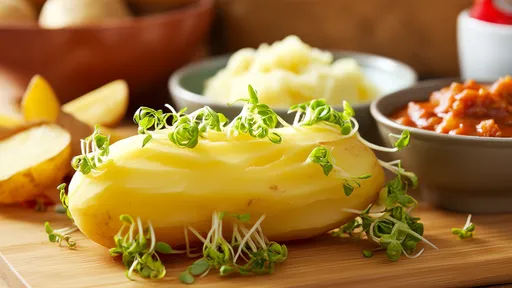
The sight of sprouting potatoes in your pantry might trigger an internal debate – toss them immediately or shrug off those wiry shoots as harmless? While potatoes rank among the world’s most versatile staples, their sprouting phase introduces complexities that demand careful consideration. Beyond the basic safety concerns lies a fascinating intersection of food science and culinary creativity waiting to be explored.
Food

3 Secrets to Keep Stir-Fried Greens from Yellowing, Never Revealed by Chefs!

By /Aug 1, 2025

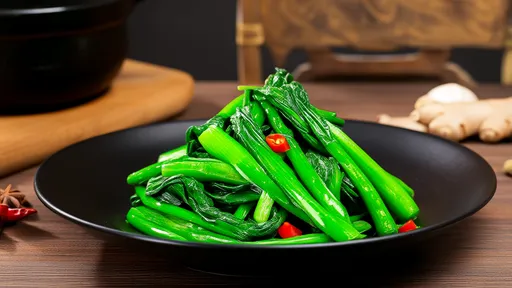
There’s something deeply satisfying about a plate of perfectly cooked greens—vibrant, crisp, and bursting with color. Yet, for many home cooks, achieving that restaurant-quality brightness can feel like an elusive goal. All too often, what should be a vivid emerald or deep jade ends up as a dull, lifeless shade of olive. The good news? The secrets to keeping your greens brilliantly hued aren’t as mysterious as they seem. Professional chefs have long guarded these techniques, but with a little insight, you can replicate their results in your own kitchen.