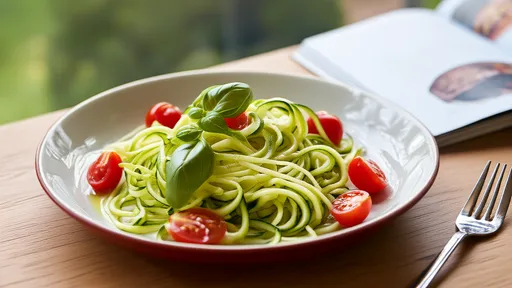
In the ever-evolving world of healthy eating, one vegetable has emerged as an unlikely hero for carb-conscious food lovers and weight-watchers alike. The humble zucchini, when transformed into noodle-like strands affectionately called "zoodles," has revolutionized how people approach their pasta cravings while maintaining a balanced diet.
The concept seems almost too simple to be groundbreaking - take a common summer squash and turn it into pasta. Yet this modest innovation has spawned an entire culinary movement among health enthusiasts. Zoodles offer that elusive combination of satisfying texture, neutral flavor profile, and nutritional benefits that make them far more than just another diet food trend.
What sets zoodles apart from other vegetable substitutes is their remarkable similarity to traditional pasta in both mouthfeel and versatility. When properly prepared, the spiralized zucchini strands mimic al dente noodles surprisingly well, providing that comforting pasta experience without the carb overload. Unlike some vegetable alternatives that announce their presence with strong flavors, zucchini's mild taste makes it the perfect canvas for all manner of sauces and toppings.
The preparation method couldn't be simpler. Using a spiralizer - an inexpensive kitchen tool that has become a staple in health-conscious households - firm, fresh zucchinis are transformed into curly ribbons in seconds. These can be enjoyed raw for a crisp texture or lightly cooked to soften them to a more pasta-like consistency. The quick cooking time (just 1-2 minutes in most cases) makes zoodles not just healthy but incredibly convenient for weeknight meals.
From a nutritional standpoint, the benefits are substantial. A typical serving of zoodles contains about 20 calories compared to 200 calories in regular pasta, with just 4 grams of carbohydrates versus pasta's 40 grams. This dramatic reduction in carbs and calories makes zoodles particularly valuable for those following ketogenic, paleo, or low-glycemic diets. The high water content (about 95%) contributes to feelings of fullness while providing hydration benefits rarely found in traditional pasta dishes.
Beyond the basic macronutrient profile, zoodles deliver an impressive array of vitamins and minerals. They're rich in vitamin C, vitamin B6, manganese, and antioxidants like lutein and zeaxanthin which support eye health. The presence of dietary fiber aids digestion and helps regulate blood sugar levels, preventing the spikes and crashes associated with refined carbohydrate consumption.
Culinary versatility stands as one of zoodles' strongest assets. They pair beautifully with classic Italian flavors like marinara sauce, pesto, or garlic and olive oil. For Asian-inspired dishes, zoodles work wonderfully in stir-fries or as a base for peanut or sesame sauces. Creamy alfredo-style sauces cling nicely to the vegetable strands, while lighter lemon-butter preparations allow the zucchini's freshness to shine through.
One of the most appealing aspects of zoodles is how they accommodate various dietary needs without requiring special adjustments. They're naturally gluten-free, vegan, and suitable for nearly every eating philosophy from raw food to Mediterranean diets. This inclusivity has helped zoodles gain popularity across diverse food communities, from athletes to busy parents to those managing specific health conditions.
For those concerned about getting enough protein in a zoodle-based meal, the options are plentiful. Grilled chicken, shrimp, meatballs, or tofu make excellent additions that transform the dish into a complete, balanced meal. Many find that the vegetable noodles allow the protein elements to take center stage rather than playing second fiddle to a heavy carbohydrate base.
The texture of zoodles deserves special mention. When raw, they provide a pleasant crunch similar to cucumber noodles in Asian salads. Lightly sautéed, they achieve a texture remarkably close to traditional pasta - firm enough to twirl around a fork but with enough bite to avoid mushiness. This adaptability makes them suitable for everything from cold noodle salads to warm, comforting bowls of "pasta."
Storage and preparation tips can make all the difference in enjoying zoodles at their best. After spiralizing, it's advisable to pat the strands dry with paper towels to remove excess moisture. For meal prep purposes, raw zoodles keep well in an airtight container for 2-3 days, though they're best when freshly made. When cooking, a quick sauté in olive oil with a pinch of salt is often all that's needed before adding sauces or other ingredients.
As with any food trend, there are some considerations to keep in mind. Zucchini contains different nutrients than wheat pasta, so those switching completely should ensure they're getting adequate B vitamins and iron from other sources. The water content means zoodles reduce significantly when cooked - a large zucchini typically yields one modest serving. Some find it helpful to mix zoodles with traditional pasta or protein-rich legume pasta when first transitioning to ease the adjustment.
The environmental impact of choosing zoodles over traditional pasta shouldn't be overlooked. Zucchini requires significantly less water and energy to produce than wheat, making it a more sustainable choice overall. When sourced locally and in season, the carbon footprint shrinks even further, aligning with environmentally conscious eating principles.
For those embarking on weight loss journeys, zoodles offer particular advantages. The low calorie density means larger portion sizes can be enjoyed without derailing calorie goals. The high water and fiber content promote satiety, helping to prevent overeating. Perhaps most importantly, they satisfy the psychological need for pasta dishes that many find hardest to give up when adopting healthier eating habits.
Creative chefs have pushed zoodles far beyond simple pasta substitutions. They've appeared in everything from frittatas to soups, even serving as gluten-free alternatives in lasagna layers. Some innovative restaurants have incorporated them into pancit, pad thai, and other international noodle dishes, proving their adaptability across global cuisines.
The zoodle phenomenon shows no signs of slowing as more people discover their benefits. What began as a niche diet food has entered mainstream consciousness, appearing on restaurant menus and in supermarket prepared food sections alike. As consumers continue prioritizing both health and convenience without sacrificing enjoyment, zoodles stand poised to remain a staple of modern healthy eating for years to come.
Ultimately, the success of zoodles speaks to a broader shift in how we approach food substitutions. Rather than viewing them as inferior imitations, many now celebrate vegetable alternatives like zoodles for what they uniquely offer. They represent not deprivation, but discovery - of new textures, flavors, and ways to nourish our bodies while still delighting our palates. In a world where healthy eating often feels complicated, the simple zucchini noodle provides a refreshingly straightforward solution.
By /Aug 1, 2025
By /Aug 1, 2025
By /Aug 1, 2025

By /Aug 1, 2025
By /Aug 1, 2025
By /Aug 1, 2025
By /Aug 1, 2025
By /Aug 1, 2025
By /Aug 1, 2025
By /Aug 1, 2025
By /Aug 1, 2025

By /Aug 1, 2025
By /Aug 1, 2025
By /Aug 1, 2025
By /Aug 1, 2025
By /Aug 1, 2025
By /Aug 1, 2025
By /Aug 1, 2025
By /Aug 1, 2025
By /Aug 1, 2025
