Most people see durian seeds as nothing more than waste to be discarded after enjoying the fruit’s creamy, pungent flesh. But what if we told you that these large, smooth seeds hold a surprising culinary secret? When boiled, they transform into a tender, starchy ingredient with a texture remarkably similar to taro—a revelation that could change the way you view this tropical fruit forever.
The Hidden Potential of Durian Seeds
Durian, often called the "king of fruits," is infamous for its divisive aroma and rich, custard-like flesh. Yet, its seeds remain an overlooked treasure. In many Southeast Asian cultures, particularly in Indonesia, Malaysia, and Thailand, durian seeds have long been used in traditional cooking. When properly prepared, they take on a soft, slightly nutty quality, making them an excellent addition to soups, stews, and even desserts.
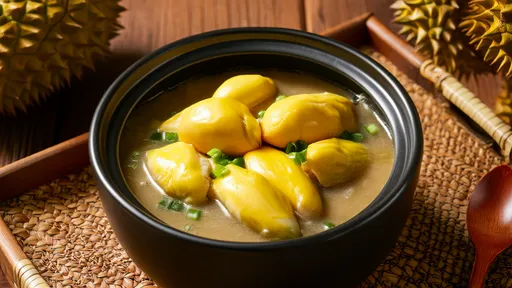
Unlike the fruit’s pungent flesh, the seeds have a neutral taste, allowing them to absorb the flavors of the dishes they’re cooked in. Their texture, however, is where the magic lies. After boiling for 20 to 30 minutes, the seeds soften to a consistency that closely resembles taro—smooth, slightly sticky, and pleasantly chewy. This makes them a fantastic substitute in recipes that call for root vegetables.
How to Prepare Durian Seeds for Cooking
Before tossing durian seeds into your next soup, they require a bit of preparation. First, the seeds must be thoroughly cleaned to remove any residual fruit flesh. Next, they should be boiled in water until tender. Some cooks recommend adding a pinch of salt to enhance their natural flavor. Once cooked, the outer skin can be peeled away easily, revealing the soft, starchy core ready to be used in various dishes.
In Indonesia, durian seeds are often incorporated into sayur nangka, a jackfruit-based vegetable stew, where they add a delightful contrast in texture. In Malaysia, they might be simmered in coconut milk with palm sugar for a simple yet satisfying dessert. The versatility of these seeds is only limited by one’s creativity in the kitchen.
A Sustainable Approach to Food Waste
Embracing durian seeds isn’t just about discovering a new ingredient—it’s also a step toward reducing food waste. With durian’s growing popularity worldwide, millions of seeds are discarded annually. By utilizing them in cooking, we can minimize waste while expanding our culinary horizons. This practice aligns with a broader movement to rediscover overlooked parts of fruits and vegetables, from broccoli stems to watermelon rinds.
Moreover, durian seeds are nutritious. They contain carbohydrates, fiber, and a modest amount of protein, making them a worthwhile addition to a balanced diet. While they shouldn’t be consumed raw due to natural compounds that can cause digestive discomfort, cooking neutralizes these elements, rendering them safe and enjoyable to eat.
Experimenting with Durian Seeds in Modern Cuisine
As global interest in plant-based and sustainable foods grows, durian seeds could find their way into contemporary dishes. Imagine them pureed into a velvety soup, mashed as a filling for dumplings, or even fried as a crispy snack. Their mild flavor and adaptable texture make them an exciting ingredient for chefs and home cooks alike.
Next time you crack open a durian, think twice before discarding those seeds. With a little effort, they can become the star of your next meal—offering a taste of tradition, a nod to sustainability, and a delightful surprise for your taste buds.
By /Aug 1, 2025
By /Aug 1, 2025
By /Aug 1, 2025

By /Aug 1, 2025
By /Aug 1, 2025
By /Aug 1, 2025
By /Aug 1, 2025
By /Aug 1, 2025
By /Aug 1, 2025
By /Aug 1, 2025
By /Aug 1, 2025

By /Aug 1, 2025
By /Aug 1, 2025
By /Aug 1, 2025
By /Aug 1, 2025
By /Aug 1, 2025
By /Aug 1, 2025
By /Aug 1, 2025
By /Aug 1, 2025
By /Aug 1, 2025
