Eggplant has earned a reputation as a culinary sponge, soaking up cooking oil with alarming efficiency. Many home cooks watch in dismay as their healthy vegetable dish transforms into a greasy mess. But what if we told you there's a way to enjoy tender, flavorful eggplant without the oil slick? The secret lies in understanding eggplant's unique structure and employing clever preparation techniques.
The science behind eggplant's oil-guzzling tendencies reveals why this vegetable behaves differently than others. Eggplant flesh contains countless microscopic air pockets that collapse during cooking, creating voids that oil rushes to fill. This spongy texture, while perfect for absorbing sauces and flavors, becomes problematic when frying. Traditional cooking methods demand excessive oil to prevent sticking and achieve proper texture, but modern techniques offer smarter solutions.
Salt therapy emerges as the first line of defense against oily eggplant. Generously salting sliced eggplant and letting it rest for 30-60 minutes performs multiple functions. The salt draws out moisture through osmosis, collapsing some of those air pockets before cooking begins. As the eggplant sweats, you'll notice beads of liquid forming on the surface. Patting the slices dry with paper towels removes this moisture along with excess salt, resulting in a denser structure that absorbs less oil.
Beyond simple salting, the cooking method itself makes a tremendous difference. Many chefs swear by par-cooking eggplant before the final preparation. Steaming slices for 3-5 minutes or microwaving them briefly achieves partial cooking without any oil. This process changes the cellular structure, reducing the vegetable's oil capacity while maintaining that desirable creamy texture. The par-cooked eggplant then needs minimal oil for browning or finishing in your chosen recipe.
Temperature control proves equally important in managing oil absorption. Adding eggplant to insufficiently hot oil creates a disastrous combination - the vegetable sits in grease rather than frying properly. Oil should shimmer and bubble slightly when eggplant touches it, creating an immediate sear that seals the surface. This technique, borrowed from professional kitchens, forms a protective barrier that limits oil penetration. Maintaining consistent heat throughout cooking prevents the eggplant from becoming saturated as it would with temperature fluctuations.
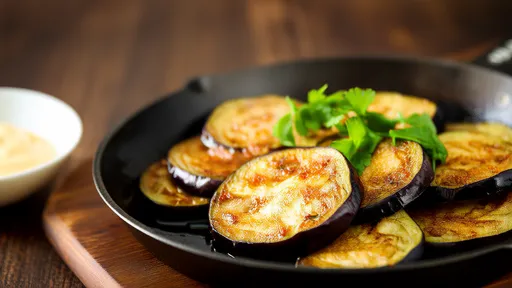
The choice of cooking vessel influences oil use more than most home cooks realize. Non-stick pans certainly help, but the real game-changer might be your oven. Roasting eggplant at high temperatures (around 425°F/220°C) with just a light oil coating produces beautifully caramelized results. The dry heat evaporates moisture efficiently, concentrating flavors while using a fraction of the oil required for frying. For extra insurance, parchment paper prevents sticking without adding fat.
Eggplant variety selection impacts oil absorption more than you might expect. The large globe eggplants common in supermarkets contain more air pockets than their slender Asian counterparts. Japanese and Chinese eggplant varieties have tighter, denser flesh that naturally absorbs less oil. When possible, choosing these varieties or the small Italian-style eggplants can make oil control easier from the start.
Marinades and coatings offer creative solutions to the oil problem. A light egg white wash or cornstarch dusting before cooking creates a protective layer that limits oil penetration while promoting browning. Some cooks swear by dipping eggplant slices in milk or buttermilk before a light flour coating - the dairy proteins help block oil absorption. These techniques work particularly well for dishes like eggplant Parmesan where breading is already part of the recipe.
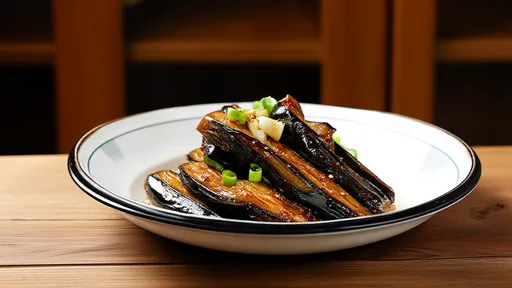
Cultural cooking traditions provide unexpected inspiration for oil-conscious eggplant preparation. Middle Eastern cooks often grill eggplant whole until the skin blackens, then scoop out the smoky flesh. This method requires no added oil and produces incredibly flavorful results perfect for dips like baba ganoush. Indian cuisine offers another approach with dry-roasted eggplant in dishes like baingan bharta, where the vegetable cooks directly over flames before being mashed with spices.
Modern kitchen gadgets present new possibilities for oil-free eggplant preparation. Air fryers can achieve crispy textures with just a spritz of oil, while electric pressure cookers soften eggplant beautifully without added fat. Even the humble microwave, when used properly, can steam eggplant slices between damp paper towels in minutes. These appliances won't replicate deep-frying exactly, but they create satisfying textures with minimal oil.
Recipe modification completes the oil-reduction strategy. Many traditional eggplant dishes rely on excessive oil because that's how they've always been made. Contemporary versions often cut the oil by half or more with no sacrifice in quality. When making ratatouille, for instance, sauté other vegetables first to release their natural juices, then add prepared eggplant to simmer in this flavorful liquid rather than more oil.
The psychological aspect of enjoying less oily eggplant shouldn't be overlooked. Our palates adapt quickly to reduced fat when flavors remain bold. Incorporating garlic, herbs, spices, citrus, or umami-rich ingredients like mushrooms or tomatoes keeps eggplant dishes satisfying. Over time, you may find greasy eggplant unappealing as your taste preferences shift toward cleaner preparations.
Storage and reheating techniques preserve the texture of low-oil eggplant dishes. Unlike their oily counterparts, properly prepared eggplant reheats beautifully without becoming soggy. Store cooked eggplant in a single layer separated by parchment paper, and reheat in a hot oven or skillet to maintain texture. This makes meal prepping with eggplant more practical and reduces food waste.
Professional chefs guard their eggplant secrets closely, but the consensus is clear: treating eggplant with respect yields better results than drowning it in oil. From proper salting to intelligent cooking methods, each step builds toward the ultimate goal - eggplant that's creamy rather than greasy, flavorful rather than fatty. With these techniques, the vegetable transforms from oil sponge to culinary canvas, ready to carry whatever flavors you choose to paint upon it.
The journey to perfect eggplant needn't be paved with quarts of oil. Armed with these methods, home cooks can finally enjoy this versatile vegetable without guilt or grease. Whether you're making classic dishes or innovative creations, eggplant's true potential shines when it's not swimming in fat. The next time you slice into that glossy purple beauty, remember: with the right techniques, you're not cooking eggplant - you're revealing its best self.
By /Aug 1, 2025
By /Aug 1, 2025
By /Aug 1, 2025
By /Aug 1, 2025
By /Aug 1, 2025
By /Aug 1, 2025
By /Aug 1, 2025
By /Aug 1, 2025
By /Aug 1, 2025
By /Aug 1, 2025
By /Aug 1, 2025
By /Aug 1, 2025
By /Aug 1, 2025
By /Aug 1, 2025
By /Aug 1, 2025
By /Aug 1, 2025
By /Aug 1, 2025
By /Aug 1, 2025
By /Aug 1, 2025
By /Aug 1, 2025
