Avocado lovers know the struggle all too well - you bring home perfectly green, rock-hard avocados from the grocery store, dreaming of creamy guacamole or avocado toast, only to find they stubbornly refuse to ripen when you need them. While these nutrient-dense fruits naturally soften over several days, sometimes you just can't wait that long. Fortunately, there's a remarkably simple kitchen hack that can accelerate the process dramatically.
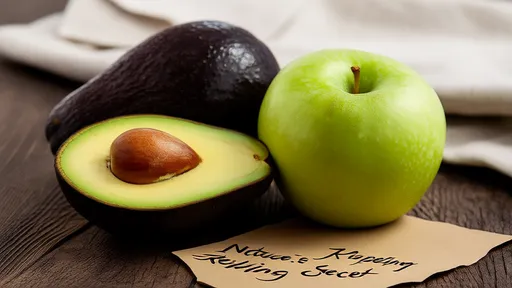
The secret lies in combining two common household items - a single sheet of paper and an apple. This unexpected duo can transform your avocado from unyieldingly firm to perfectly ripe in as little as 24 hours. The method taps into basic food science principles that commercial growers have used for decades, now adapted for home use.
Why does this method work so effectively? Apples naturally produce significant amounts of ethylene gas, a plant hormone that triggers the ripening process in many fruits. When you enclose an apple with avocados in a paper bag, you're essentially creating a miniature ripening chamber. The paper traps the ethylene gas around the avocados while still allowing some airflow, preventing moisture buildup that could lead to spoilage.
This technique proves far more effective than leaving avocados on the counter or placing them in direct sunlight. At room temperature alone, avocados typically take 4-7 days to ripen. The paper bag method cuts this time down to 1-3 days depending on the avocado's initial firmness and size. Adding an apple to the equation supercharges the process, often yielding ripe avocados overnight.
Selecting the right components matters for optimal results. For the bag, plain brown paper works best - avoid using plastic bags as they trap too much moisture and can cause rotting. The apple should be fresh and crisp; older apples produce less ethylene. Any apple variety will work, but Fuji, Gala, and Red Delicious tend to be particularly high ethylene producers.
The avocado's stage of development also plays a crucial role. This method works best on avocados that have already begun their natural ripening process - look for slight give when gently squeezed and a darkening skin color. Completely hard, bright green avocados may still take 2-3 days even with this technique. For fastest results, choose avocados that are just beginning to transition from hard to slightly tender.
Proper execution of the method makes all the difference. Place 2-3 avocados in the paper bag with one apple, folding the top over to seal it loosely. Store at room temperature away from direct sunlight. Check every 12 hours - the avocados can go from perfect to overripe surprisingly quickly once the process starts. Remove them from the bag once they reach your desired softness.
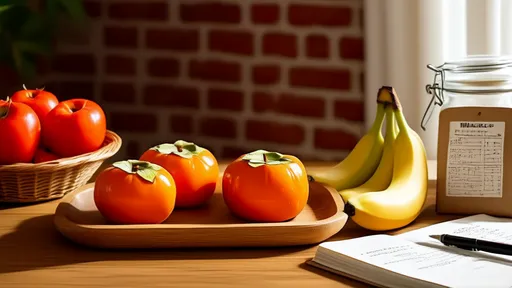
What if you need ripe avocados even faster? For true emergency avocado situations, some food scientists suggest adding a banana to the paper bag along with the apple. Bananas also produce substantial ethylene gas, and the combination can potentially ripen avocados in 12-18 hours. However, this requires more careful monitoring as the fruit can become overripe rapidly.
The paper bag method isn't just limited to avocados either. This same technique works wonders for speeding up the ripening of pears, peaches, plums, and other ethylene-sensitive fruits. The principle remains identical - contain the ethylene gas around the fruit while maintaining proper air circulation. It's one of those rare kitchen tricks that's equally effective for various produce types.
Understanding why this works requires a brief look at avocado biology. Unlike some fruits that ripen on the tree, avocados only begin their ripening process after being harvested. They're what botanists call "climacteric" fruits, meaning they continue to ripen after picking due to increased ethylene production and respiration. The paper bag method essentially tricks the avocado into thinking it's surrounded by other ripening fruit, triggering its natural processes.
Commercial operations have used ethylene gas chambers for decades to control fruit ripening. The paper bag approach brings this industrial technology into home kitchens at virtually no cost. While food producers use concentrated ethylene gas, the small amounts released naturally by an apple provide more than enough to make a noticeable difference at the consumer level.
For those who regularly use avocados, keeping a few on hand at different ripening stages ensures you'll always have some ready. Store ripe avocados in the refrigerator to slow down further ripening for 2-3 days. If you only need half an avocado, leave the pit in the unused portion, sprinkle with lemon juice, wrap tightly in plastic, and refrigerate to prevent browning.
The environmental benefits of this method shouldn't be overlooked either. By learning to control ripening at home, we can reduce food waste significantly. How many avocados get tossed out because they ripened too quickly or not quickly enough? With this simple technique, you gain control over the timeline, ensuring your avocados are ready precisely when you need them.
Some avocado enthusiasts have taken this concept even further by creating dedicated ripening containers with adjustable vents. These reusable systems apply the same principles as the paper bag but offer more precise control. However, for most home cooks, the humble paper bag remains the simplest, most accessible solution.
Next time you're stuck with hard avocados and a craving for something creamy, remember this kitchen scientist-approved trick. With just a paper bag and an apple, you can enjoy perfectly ripe avocados in a fraction of the normal time. It's one of those rare food hacks that's equally grounded in science and practicality - no special equipment or complicated steps required.
The beauty of this method lies in its simplicity and reliability. Unlike some kitchen tips that promise miraculous results but fail to deliver, the paper bag technique consistently produces noticeable differences in ripening speed. It's become standard practice in many professional kitchens and households where timing avocado ripeness correctly makes all the difference between a good meal and a great one.
As we continue discovering smarter ways to work with natural food processes rather than against them, techniques like this remind us that sometimes the best solutions are the simplest ones. That paper bag sitting in your recycling bin and that apple in your fruit bowl hold the power to solve one of the most common kitchen timing challenges - all without any special trips to the store or fancy equipment.
By /Aug 1, 2025

By /Aug 1, 2025
By /Aug 1, 2025

By /Aug 1, 2025

By /Aug 1, 2025
By /Aug 1, 2025

By /Aug 1, 2025
By /Aug 1, 2025

By /Aug 1, 2025
By /Aug 1, 2025
By /Aug 1, 2025

By /Aug 1, 2025
By /Aug 1, 2025
By /Aug 1, 2025
By /Aug 1, 2025
By /Aug 1, 2025

By /Aug 1, 2025
By /Aug 1, 2025
By /Aug 1, 2025
By /Aug 1, 2025
