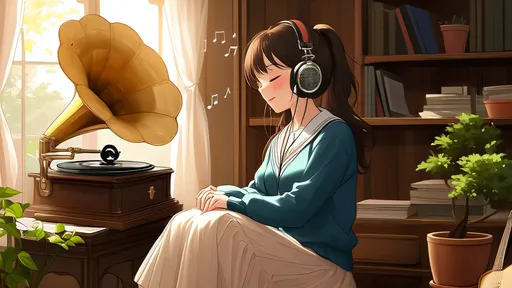
The power of music to evoke and guide emotions is nothing short of miraculous. From the haunting melodies of a solo violin to the thunderous crescendo of a full orchestra, music has an unparalleled ability to shape our emotional landscape. It can lift us from despair, calm our anxieties, or ignite our passions—all without uttering a single word. This unique quality makes music not just an art form but a universal language of the soul.
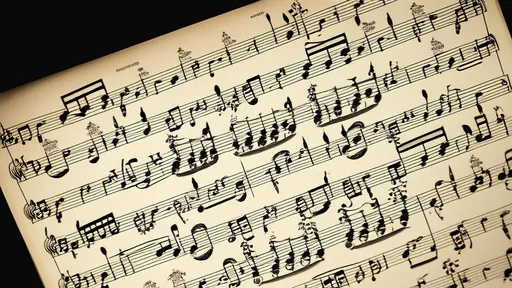
At its core, emotional expression in music is a dance between structure and spontaneity. Composers and performers alike harness the interplay of rhythm, harmony, and timbre to create emotional narratives that resonate deeply with listeners. A minor key might convey sorrow, while a sudden shift to major can feel like sunlight breaking through clouds. The tempo—whether languid or frenetic—sets the pace for our hearts to follow. These elements combine to form an emotional roadmap, guiding listeners through a carefully crafted journey of feeling.
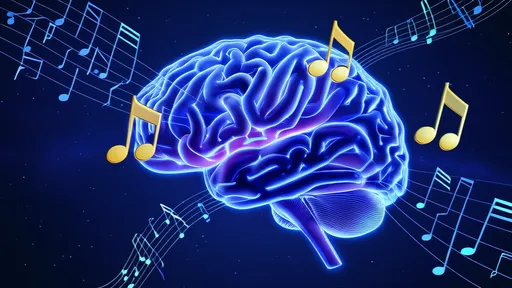
What makes music's emotional guidance so effective is its ability to bypass rational thought and speak directly to our subconscious. Unlike language, which requires processing and interpretation, music seems to plug straight into our emotional centers. Neuroscientific research has shown that musical stimuli activate the amygdala, hippocampus, and other brain regions associated with emotion processing. This neural shortcut explains why a particular melody can instantly transport us back to a specific moment in our past, complete with all the accompanying emotions.
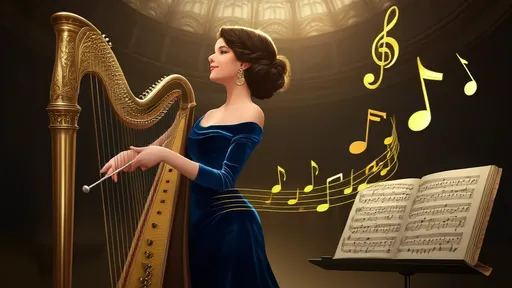
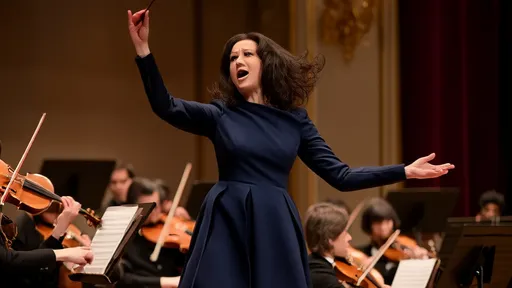
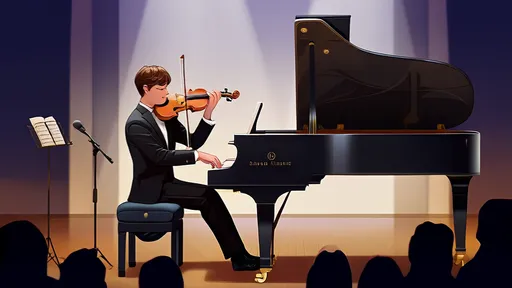
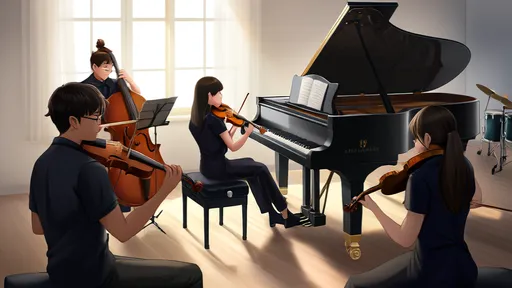
The performer's role in emotional transmission cannot be overstated. A technically perfect rendition might impress, but it's the subtle imperfections—the slight hesitation, the barely perceptible swell of volume—that often carry the deepest emotional weight. Great performers understand this paradox: that true musical expression lives in the spaces between the notes as much as in the notes themselves. They serve as emotional conduits, channeling the composer's intentions while infusing the performance with their own lived experience.
Different musical traditions have developed distinct approaches to emotional expression. Western classical music often builds emotional arcs through harmonic progression and thematic development. Indian classical music employs intricate ragas, each associated with specific times of day and emotional states. The blues finds catharsis in bending notes and syncopated rhythms. These diverse approaches all share a common goal: to move the listener emotionally, whether to tears, joy, or contemplation.
Modern music psychology has begun quantifying what musicians have known intuitively for centuries. Studies measuring physiological responses—heart rate, skin conductance, even hormone levels—confirm that music reliably produces measurable emotional effects. Interestingly, the emotions evoked don't always match the surface content. A sad song might bring comfort rather than depression, while an aggressive piece could provide an outlet for pent-up energy. This complex emotional alchemy explains music's therapeutic potential in clinical settings.
The context in which we experience music significantly shapes its emotional impact. A romantic ballad takes on different meaning when heard at a wedding versus a funeral. Film scores demonstrate this powerfully—the same musical phrase can signal impending doom or triumphant victory depending on the visual context. This malleability makes music an extraordinarily flexible tool for emotional guidance, adaptable to countless situations and interpretations.
As technology evolves, so do the possibilities for musical emotional expression. Digital tools allow for unprecedented manipulation of sound, creating textures and effects that can evoke emotions we lack words to describe. At the same time, the fundamental human connection at music's core remains unchanged. Whether created with a Stradivarius or a synthesizer, music continues to serve its ancient role as a mirror to our emotional selves.
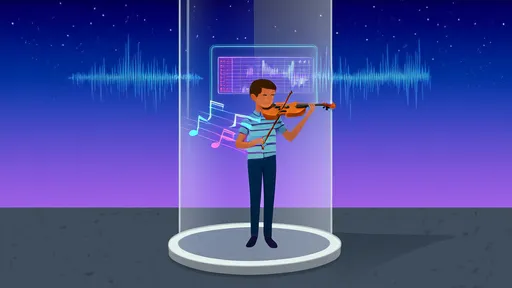
The future of music's emotional guidance may lie in personalized experiences. With advances in biometric feedback and AI, we're moving toward music that adapts in real-time to the listener's emotional state. Yet even as the delivery mechanisms change, the essential magic persists—that ineffable moment when vibrations in the air become feelings in the heart. In an increasingly fragmented world, this universal capacity to feel through music may prove more valuable than ever.
By /Jul 25, 2025
By /Jul 25, 2025

By /Jul 25, 2025
By /Jul 25, 2025
By /Jul 25, 2025

By /Jul 25, 2025
By /Jul 25, 2025
By /Jul 25, 2025

By /Jul 25, 2025

By /Jul 25, 2025
By /Jul 25, 2025
By /Jul 25, 2025
By /Jul 25, 2025
By /Jul 25, 2025
By /Jul 25, 2025
By /Jul 25, 2025
By /Jul 25, 2025

By /Jul 25, 2025
By /Jul 25, 2025
By /Jul 25, 2025
