The phenomenon of absolute pitch, often referred to as "perfect pitch," has long fascinated scientists, musicians, and educators alike. This rare ability allows individuals to identify or reproduce a musical note without any reference tone, a skill that seems almost magical to those who don’t possess it. What makes absolute pitch even more intriguing is the growing body of research suggesting that there’s a critical window during childhood when this ability can be nurtured and developed. Understanding this scientific window isn’t just an academic exercise—it has profound implications for music education and cognitive development.
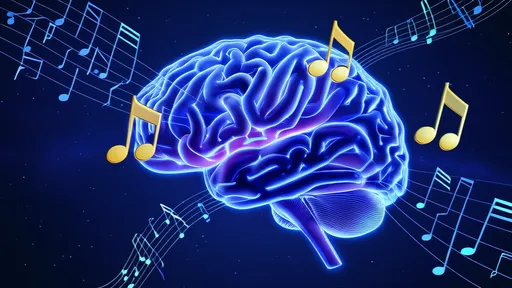
The concept of a sensitive period for absolute pitch acquisition isn’t entirely new, but recent neuroscientific studies have provided compelling evidence to support it. During early childhood, the brain exhibits remarkable plasticity, particularly in regions associated with auditory processing. This plasticity allows young children to internalize pitch relationships in a way that becomes increasingly difficult as they age. Research indicates that exposure to consistent musical training before the age of six significantly increases the likelihood of developing absolute pitch. This window doesn’t slam shut abruptly, but its effectiveness diminishes with time, making early intervention crucial.
One of the most striking aspects of this developmental window is how it intersects with language acquisition. Children who grow up in tonal language environments, such as Mandarin or Vietnamese, demonstrate a higher prevalence of absolute pitch. This correlation suggests that the brain’s ability to process subtle pitch variations in speech may lay the groundwork for musical pitch recognition. The overlap between linguistic and musical pitch processing in early childhood highlights the interconnected nature of our cognitive development. It’s not merely about music training—it’s about how the young brain organizes auditory information across domains.
The role of genetics in absolute pitch has been another area of intense study, complicating the nature-versus-nurture debate. While certain genetic markers appear to be associated with the trait, their presence doesn’t guarantee absolute pitch development without appropriate environmental stimulation. This interaction between biology and environment underscores the importance of the sensitive period. Even individuals with genetic predisposition find it exceedingly difficult to acquire absolute pitch if they miss the early childhood window for musical exposure. The scientific consensus points to a delicate interplay between innate factors and timely training.
Modern music education systems are beginning to incorporate these findings, though implementation varies widely. Some specialized programs now introduce pitch recognition exercises as early as age three, using game-like activities that capitalize on children’s natural learning processes. These methods differ significantly from traditional music lessons, focusing on immersive pitch experiences rather than formal instrument training. The results have been promising, with higher rates of absolute pitch acquisition observed in children who undergo such early training compared to those who start later. However, these approaches raise important questions about balancing specialized skill development with broader musical education.
Beyond the realm of music, research into absolute pitch offers insights into neuroplasticity and learning mechanisms. The critical period phenomenon observed in pitch acquisition mirrors similar patterns in language development and other cognitive skills. Scientists are particularly interested in whether understanding these mechanisms could lead to methods for extending or reopening sensitive learning periods later in life. While absolute pitch might seem like a niche ability, its study contributes to our broader understanding of how the brain learns and organizes information during crucial developmental stages.
The ethical considerations surrounding absolute pitch training warrant careful examination. As the science behind the sensitive period becomes more established, some parents feel pressured to enroll their children in specialized programs at increasingly young ages. This trend raises concerns about excessive structuring of childhood and the potential neglect of other important developmental areas. Music educators emphasize that while early exposure can be beneficial, it should never come at the expense of a child’s overall well-being or love for music. The goal should be nurturing musicality in its broadest sense, not just chasing a particular skill.
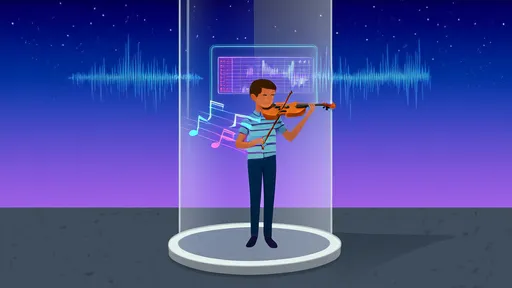
Looking forward, technological advancements may offer new approaches to absolute pitch training. Virtual reality systems and AI-driven music applications are being developed to create immersive pitch recognition environments for young children. These tools aim to make early pitch training more accessible and engaging, potentially democratizing what was once considered an elite musical ability. However, researchers caution that technology should complement, not replace, the human elements of musical education—the emotional connection, the physical experience of creating sound, and the social aspects of making music with others.
The study of absolute pitch’s critical learning period continues to evolve, with each discovery raising new questions about human potential and development. What begins as an investigation into a specific musical ability ultimately sheds light on fundamental processes of learning, memory, and sensory perception. As science progresses, our approach to nurturing musical talent—and indeed various forms of intelligence—will likely become more nuanced, respecting both biological constraints and the transformative power of early experience.
By /Jul 25, 2025
By /Jul 25, 2025
By /Jul 25, 2025

By /Jul 25, 2025
By /Jul 25, 2025

By /Jul 25, 2025

By /Jul 25, 2025
By /Jul 25, 2025

By /Jul 25, 2025

By /Jul 25, 2025
By /Jul 25, 2025

By /Jul 25, 2025
By /Jul 25, 2025
By /Jul 25, 2025

By /Jul 25, 2025
By /Jul 25, 2025
By /Jul 25, 2025

By /Jul 25, 2025
By /Jul 25, 2025
By /Jul 25, 2025
