Learning to play the piano as an adult can be both a rewarding and challenging experience. Unlike children, adults bring a wealth of life experience, discipline, and motivation to the table, but they also face unique obstacles such as limited practice time and ingrained habits. The key to improving efficiency in adult piano learning lies in understanding these challenges and adopting strategies tailored to mature learners.
The mental approach plays a crucial role in how quickly an adult student progresses. Many adults approach piano with unrealistic expectations, either underestimating the time required or becoming frustrated when progress seems slow. A growth mindset, where mistakes are viewed as learning opportunities rather than failures, can significantly enhance the learning process. Adults who embrace the journey rather than fixate on the destination often find themselves improving faster than those who pressure themselves to meet arbitrary deadlines.
Effective time management separates successful adult learners from those who struggle. With careers, families, and other responsibilities competing for attention, adults must be intentional about scheduling practice sessions. Rather than aiming for long, infrequent practices, research shows that shorter, daily sessions yield better results. Even 20-30 minutes of focused practice each day can lead to substantial improvement over time. The consistency of daily engagement helps reinforce muscle memory and cognitive connections more effectively than sporadic, lengthy sessions.
The quality of practice matters far more than the quantity for adult learners. Deliberate practice, where the student works on specific challenges with full concentration, proves much more effective than mindless repetition. This might involve isolating difficult passages, practicing hands separately, or working at slower tempos with a metronome. Adults often benefit from breaking pieces into small sections and mastering each before combining them, rather than repeatedly playing through entire pieces from beginning to end.
Technology has opened new avenues for efficient learning that adult students should explore. Digital tools like interactive apps, online metronomes, and recording software can enhance traditional practice methods. Recording practice sessions allows for objective self-evaluation, while apps that visualize note timing and accuracy provide immediate feedback. However, technology should complement rather than replace fundamental practice techniques and the guidance of a qualified teacher when possible.
The physical aspect of piano playing requires particular attention for adult learners. Unlike children, adults may experience stiffness or tension that hinders their playing. Developing proper hand position and posture from the beginning prevents the formation of bad habits that could limit technical progress later. Simple stretching exercises before playing and awareness of tension during practice can make a significant difference in playability and endurance. Many adults find that their hands gradually become more flexible and responsive with consistent, mindful practice.
Repertoire selection significantly impacts an adult's motivation and progress. While classical training has its merits, adults often benefit from learning pieces that genuinely interest them, whether that's jazz standards, pop arrangements, or film music. Balancing challenge with enjoyment keeps practice engaging while ensuring continuous skill development. Incorporating some music theory alongside practical playing helps adults understand what they're playing, leading to more efficient learning and the ability to eventually learn pieces more independently.
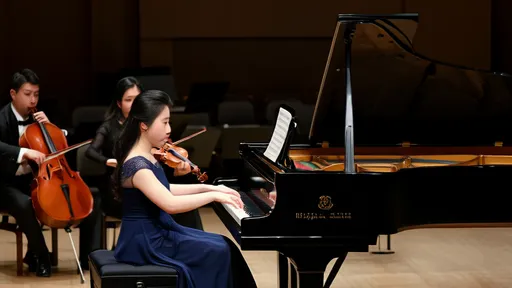
The social dimension of learning shouldn't be underestimated for adult students. Participating in recitals, joining piano forums, or simply playing for friends and family provides motivation and accountability that solitary practice lacks. Many adults find that performing occasionally, even in informal settings, gives their practice purpose and helps them overcome performance anxiety. The emotional connection created through sharing music often rekindles the enthusiasm needed to persist through challenging periods of learning.
Sleep and rest play an underappreciated role in skill acquisition for adult piano students. Neurological research shows that memory consolidation occurs during sleep, making adequate rest essential for progress. Adults juggling multiple responsibilities might sacrifice sleep, not realizing how it impacts their ability to retain what they've practiced. Spacing out learning sessions with rest periods, rather than cramming, allows the brain to process and internalize new skills more effectively.
Ultimately, the most efficient path for adult piano learners combines structure with flexibility, discipline with enjoyment, and patience with persistence. By understanding their unique advantages and challenges, adults can craft a personalized approach that maximizes their progress while maintaining the joy of making music. The piano journey differs for every adult learner, but those who find the right balance between systematic practice and musical expression often discover that the instrument becomes a lifelong source of fulfillment and growth.

By /Jul 25, 2025
By /Jul 25, 2025

By /Jul 25, 2025

By /Jul 25, 2025
By /Jul 25, 2025

By /Jul 25, 2025

By /Jul 25, 2025

By /Jul 25, 2025

By /Jul 25, 2025

By /Jul 25, 2025

By /Jul 25, 2025

By /Jul 25, 2025

By /Jul 25, 2025

By /Jul 25, 2025

By /Jul 25, 2025

By /Jul 25, 2025
By /Jul 25, 2025

By /Jul 25, 2025

By /Jul 25, 2025
By /Jul 25, 2025
